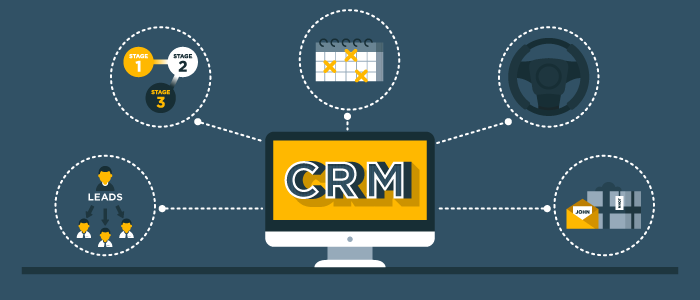
In today’s competitive automotive and equipment sales market, success depends on more than just having the right inventory. It requires efficient lead management, personalized customer engagement, and streamlined operations — all in real-time. That’s where a Dealer CRM (Customer Relationship Management) system becomes indispensable.
A Dealer CRM is specifically designed for car dealerships, heavy machinery vendors, equipment distributors, and powersport businesses to manage leads, sales processes, customer follow-ups, service scheduling, and more — all from one centralized platform.
What is a Dealer CRM?
A Dealer CRM is a customer relationship management platform tailored to the needs of dealerships. Unlike traditional CRMs, a dealer-specific CRM incorporates tools that support every stage of the customer lifecycle in the dealership environment — from the first inquiry to post-sale service and beyond.
It allows dealerships to track interactions, manage inventory-based campaigns, schedule test drives, automate follow-ups, and improve both sales and service experiences.
Why Dealerships Need a Dealer CRM System
1. Centralized Customer Interaction History
Dealer CRMs store all touchpoints — calls, texts, emails, showroom visits, service history — giving your sales and service teams a 360-degree view of the customer.
2. Automated Lead Management
Capture leads from websites, third-party platforms (like Cars.com, AutoTrader), walk-ins, and social media. Leads are automatically routed to the right salesperson based on predefined rules, improving response time and increasing conversion rates.
3. Custom Sales Pipelines
A Dealer CRM lets you define unique deal stages for different types of vehicles or equipment. Easily move leads through the pipeline from inquiry to delivery while keeping management updated in real-time.
4. Real-Time Alerts & Follow-Ups
Never miss a sale. The system automatically sends reminders and alerts for scheduled calls, test drives, financing approvals, and post-sale follow-ups.
5. Integrated Inventory Management
Sync CRM data with your inventory system to run targeted campaigns, manage aging stock, and identify cross-sell or up-sell opportunities based on customer behavior.
Key Features of an Automotive or Equipment Dealer CRM
Lead Tracking & Management
Track every lead source and follow up with automation or manual actions. Assign leads to salespeople and monitor progress with real-time insights.
Customer Communication Integration
Send and receive emails, SMS, and even phone calls directly within the CRM platform. Log all communication automatically.
Test Drive Scheduling
Let customers schedule test drives online, and manage those appointments within the CRM. Receive alerts for no-shows or reschedules.
Service & Maintenance Scheduling
Integrate your service department to schedule regular maintenance, repairs, and customer service requests, all while maintaining customer communication records.
Finance & Insurance (F&I) Integration
Track financing, approvals, insurance options, and upsells all within the same platform to simplify the deal-closing process.
Reporting & Analytics
Get real-time performance data on your sales team, marketing campaigns, lead sources, and inventory movement. Make data-driven decisions for better ROI.
Mobile CRM Access
Empower your field agents or sales consultants on the showroom floor with mobile access to customer and inventory data — anytime, anywhere.
Industries That Benefit from Dealer CRM Solutions
Dealer CRMs are designed to serve a wide range of sales-driven businesses, including:
- Automotive Dealerships
- Motorcycle & Powersports Dealers
- Heavy Equipment Dealers (Construction, Mining, Farming)
- Boat & Marine Dealers
- RV & Trailer Dealerships
- Commercial Fleet Sellers
- Pre-Owned Vehicle Lots
Top Dealer CRM Software in 2025
1. DealerSocket
A leading CRM built specifically for auto dealerships, DealerSocket offers inventory management, desking, marketing tools, and robust reporting.
2. VinSolutions
Owned by Cox Automotive, this CRM integrates tightly with other dealership systems like vAuto, Xtime, and Autotrader for seamless operations.
3. Elead CRM
A well-established platform with customizable workflows, lead automation, and deep service integration.
4. ProMax CRM
Ideal for independent and franchise dealerships with advanced lead management, credit reporting, and desking tools.
5. AutoRaptor
Known for its mobile-first design and intuitive user interface, AutoRaptor offers fast deployment and strong lead tracking features.
Benefits of Implementing a Dealer CRM
1. Increased Sales Conversion
Timely responses, personalized interactions, and automated workflows ensure no lead goes cold, directly boosting deal closure rates.
2. Better Customer Retention
With built-in follow-up sequences and service reminders, a Dealer CRM helps you stay connected with customers long after the sale — increasing repeat business.
3. Improved Team Productivity
Sales reps spend less time on manual tasks and more time selling, thanks to automation, lead scoring, and intuitive pipelines.
4. Marketing ROI Optimization
Track the performance of every campaign and lead source. Stop wasting money on poor-performing channels and double down on what works.
5. Compliance & Accountability
Track every action taken by salespeople, log customer interactions, and ensure compliance with industry regulations and internal standards.
What to Look for When Choosing a Dealer CRM
When selecting the right dealer CRM software, consider the following:
- Ease of Use: Intuitive UI ensures quick onboarding.
- Customization Options: Modify workflows, pipelines, and fields as needed.
- Integration Capabilities: Can it work with your DMS, marketing platforms, or finance software?
- Mobile Functionality: Must support on-the-go access for your team.
- Support & Training: Choose a vendor with strong onboarding and customer support.
- Scalability: Ensure it can grow with your dealership as you expand operations.
Dealer CRM Implementation Best Practices
- Train Your Team Thoroughly
A CRM is only as good as its users. Conduct training sessions and provide documentation for ongoing reference. - Customize Before Launch
Tailor fields, lead stages, and automation rules based on your dealership’s specific processes. - Clean Your Data
Importing inaccurate or duplicate records can ruin user trust in the system. Perform a data audit before migration. - Monitor Adoption
Use analytics to track login rates, lead activity, and sales performance to ensure the CRM is being used effectively. - Collect Feedback & Improve
Continuously refine the CRM setup based on real-world usage and employee feedback.
Conclusion: Stay Ahead with a Dealer CRM
In today’s customer-driven dealership environment, relying on spreadsheets, email inboxes, and manual processes just doesn’t cut it. A dealer CRM system provides a complete framework to streamline your sales, service, and customer communication workflows — leading to higher conversions, loyal customers, and smoother operations.
If you’re serious about improving your dealership’s performance, customer relationships, and long-term growth, investing in a dedicated Dealer CRM is not just an option — it’s a necessity.